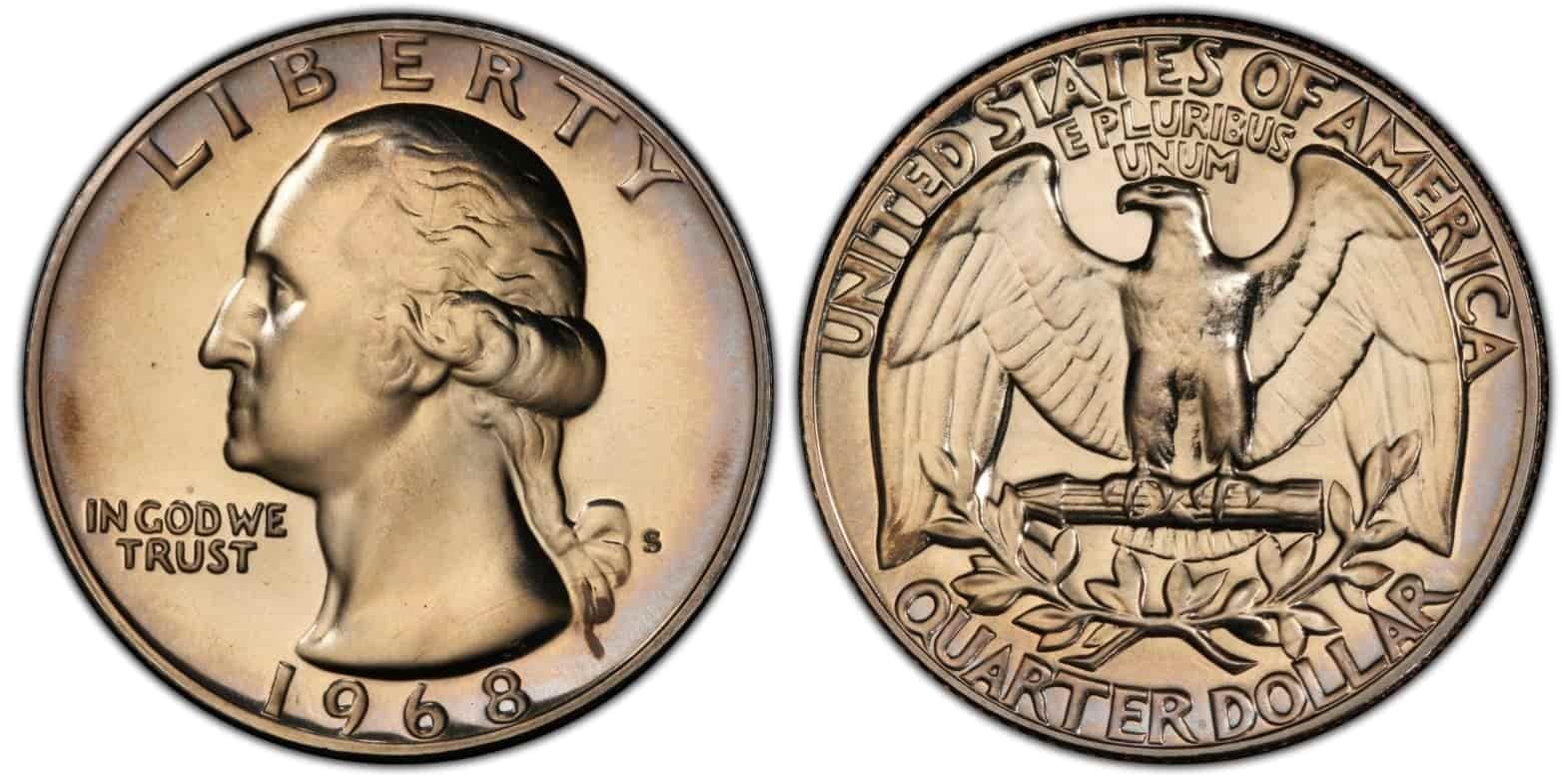
Coins have always been an exciting and rewarding hobby for collectors, and groups, in particular, have a special place in the world of numismatics. While many groups are still in circulation and have little monetary value beyond their face value, there are some that are worth a lot more because of their rarity, historical significance, or unique features. If you’re a coin collector or just inquisitive about finding valuable groups, this blog explores the tips and tricks for picking out rare groups in circulation and how to make the most of your coin hunting efforts.
The Selling point of Groups for Collectors
Groups are one of the most widely published coins in the united states, and they come in various designs and series. Some groups are particularly valuable because of rare quarters their rarity, limited production runs, or distinctive features. Collectors often look for coins that are in mint condition, have misprints, or belong to specific series, such as the State Groups or America the Beautiful series, that were released in limited quantities.
While most groups you’ll find in your change vessel are worth only 25 cents, there are some outliers that can get hundreds or even thousands of dollars. Understanding which groups are best and learning how to spot them is essential for any aspiring coin collector.
Factors That Determine the value of Groups
Several factors can impact the value of a one fourth. These include:
Rarity: Groups manufactured in limited numbers or with production errors tend to be valuable.
Condition: Coins that are in near-perfect or mint condition are more desirable to collectors.
Year and Mint Mark: Certain years and mint marks are more sought after than others. For example, groups minted in 1932 or 1999 can be worth a lot more.
Historical Significance: Groups tied to historical events or commemorations, such as the 50 State Groups program, are of interest to collectors.
Identifying Rare Groups in Circulation
The 1965-1967 Silver Groups
From 1965 to 1967, the You. S. Mint produced groups made of 40% silver, which are these groups valuable to collectors, particularly when found in good condition. While these groups were minted in relatively large quantities, they are still sought after for their silver content. If you locate a quarter from this period, it’s worth examining it closely to see if it’s silver. To check, look for the mint mark (D, S, or no mint mark) and the coin’s weight, as silver groups weigh more than their copper-nickel counterparts.
The 1932-D and 1932-S Wa Groups
The 1932-D and 1932-S Wa Groups are among the most sought-after coins in the one fourth series. These coins were the main first year of the Wa One fourth series, and their low mintage makes them particularly valuable. In fact, a 1932-D or 1932-S one fourth in mint condition can sell for hundreds or even thousands of dollars. Look for these groups in your change, but anticipate to pay attention to condition, as these coins can be highly worn.
The 1999 Delaware State One fourth (Doubled Die)
The 1999 Delaware State One fourth is a prime example of a coin with a minting error that increases its value. Some of the 1999 Delaware groups were minted with a doubled die, creating a noticeable error on the obverse side of the coin. This doubled die error is easy to spot, as the text “DELAWARE” and the date “1999” appear with a distinct double image. If you discover one of these groups, it could be worth much more than its face value, especially when it’s in good condition.
The 2004 Wisconsin State One fourth (Extra Leaf)
Another rare one fourth that can be found in circulation is the 2004 Wisconsin State One fourth. Some of these groups have an error where an extra leaf appears in the hammer toe stalk on the reverse side of the coin. There are two varieties of the additional leaf: the “Low Leaf” and the “High Leaf” varieties, both which are highly sought after by collectors. If you locate a 2004 Wisconsin one fourth, take time to check for this distinctive error, as it could significantly increase the value of the coin.
The 2009 Region of Columbia One fourth (VDB Initials)
The 2009 Region of Columbia one fourth features the initials “VDB” on the reverse side, a gratitude to sculptor Victor David Brenner, who designed the original Lincoln dime. While these initials are small and subtle, they make this coin more valuable than most of its counterparts. If you discover a 2009 Region of Columbia one fourth with the VDB initials, it’s worth keeping, especially when it’s in pristine condition.
How to Spot an important One fourth in Circulation
Examine the Date and Mint Mark
The first step to picking out an important one fourth is to check the date and mint mark. Look for coins from specific years that are recognized for their rarity, such as the 1932-D or 1932-S groups. You can also research other years that have special significance or low mintage.
Look for Minting Errors
Minting errors can significantly increase a coin’s value. These errors can range from double is disapated to off-center strikes to misspelled words. Seriously consider any unusual information on the coin, such as extra leaves, doubled images, or other anomalies that might indicate a minting error. The more noticeable the error, the more valuable the coin could be.
Check the Coin’s Condition
A quarter in excellent condition will be worth regarding green worn-out, heavily published coin. When checking your groups, inspect them for signs of wear, scratches, or tinting. Coins with minimal wear and no major scratches or dings and dents are generally more valuable to collectors. If the one fourth looks almost brand new, it’s worth putting away for further examination.
Use a Magnification device . or Loupe
Sometimes, the most valuable information on a coin are so small that they can’t make sure with the nude eye. To spot minting errors or subtle details, it’s helpful to use a magnification device . or loupe. This tool will assist you to zoom in on the fine details of the coin, such as doubled letters, extra designs, or unique features that produce the coin valuable.
Where to Sell Rare Groups
Online Market segments and Sales
Once you’ve discovered a rare one fourth, the next phase is deciding how to sell it. Online market segments such as ebay are a great destination for a list your coins, as they allow you to reach a global audience of collectors. Be sure to provide detailed descriptions, high-quality photos, and information about the coin’s condition to attract potential buyers.
Coin Dealers and Local Coin Shops
If you prefer a more direct sale, you can take your valuable groups to a coin dealer or a local coin shop. Professional dealers can measure the coin and offer you a fair price based on its rarity and condition. If you’re unsure about a coin’s value, a professional dealer can provide you with expert guidance and insight into its market value.
Coin Shows and Promotions
Attending a coin show or convention can be an excellent way to connect with collectors and dealers who might be interested in purchasing your rare groups. Coin shows often feature rare coins and provide a great chance to network with people who share your passion for numismatics.
Conclusion: Happy Coin Hunting
Finding rare groups in circulation can be a thrilling and rewarding hobby. While most groups you locate might be worth only their face value, there are hidden treasures waiting to be discovered. By learning how to identify valuable coins, examining them for errors, and knowing where to sell them, you can maximize your likelihood of finding a rare one fourth that could be worth a lot more than 25 cents.