Introduction — what infrared therapy really does
Infrared therapy delivers energy in specific bands of the spectrum to warm tissue and trigger cellular responses; think of it as controlled photothermal stimulation. In many clinics and spas today, infrared beds are the main device used to apply that energy to a whole body (near- and mid-wave bands, wavelength tuning matters). Recent data show clinics adopting infrared systems grew by double digits in some regions, while device returns and service calls climbed too — why does that gap exist?
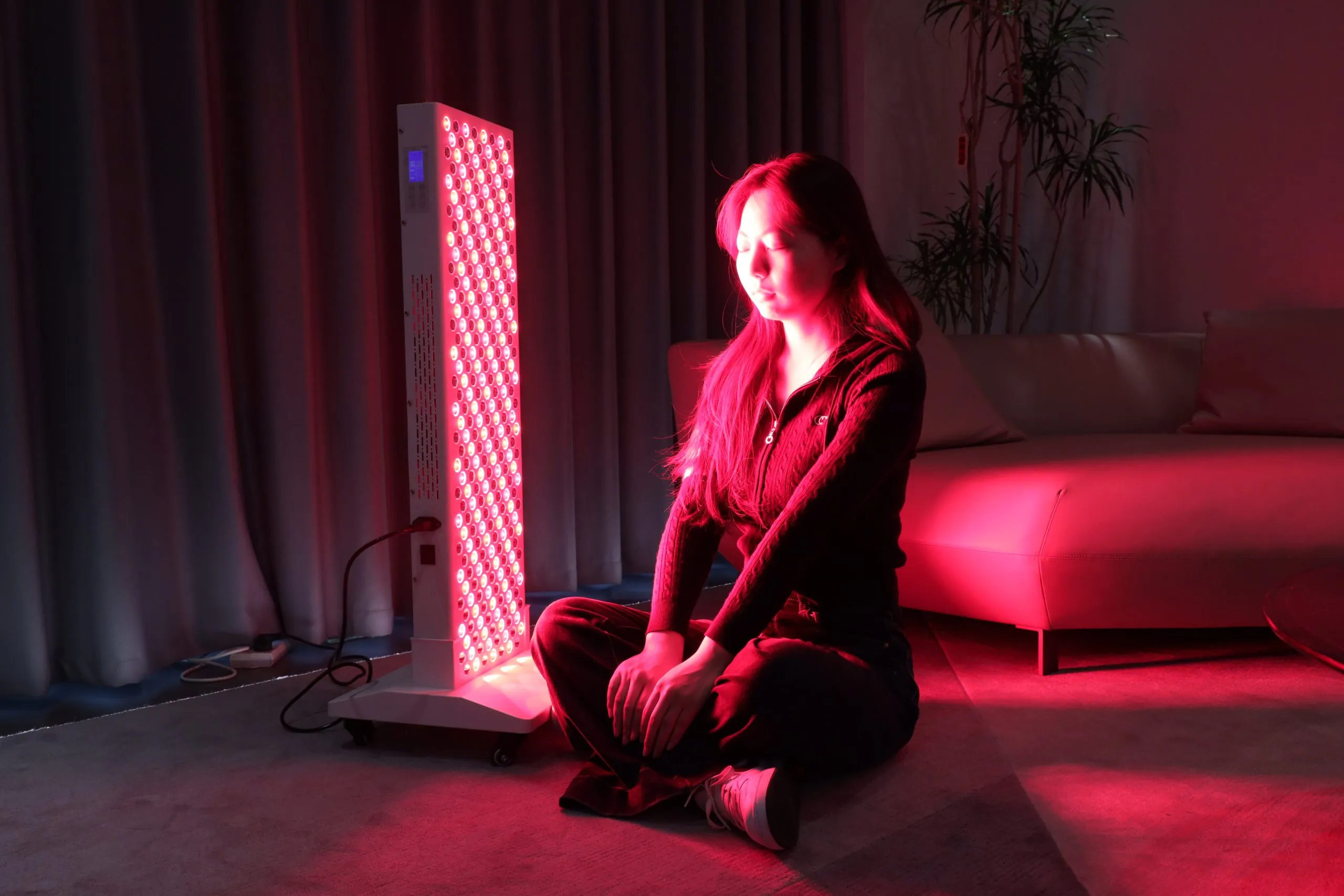
I’ve seen the setup in real rooms: beds, canopy arrays, LED driver panels, and the wiring that ties them together. The scenario is familiar — a new device arrives, staff trains for an afternoon, then unexpected heat spots or flicker appear within weeks. Market surveys report up to 20% user dissatisfaction tied to inconsistent heating and control quirks. So I ask: are we solving the therapy problem or just selling more hardware? This piece breaks down the technical causes, shows where users get stuck, and points toward usable fixes. Read on for a practical look at root causes and clear steps to improve outcomes.
Part 2 — deeper problems: why the infrared light pod falls short
infrared light pod is a useful term for the compact units many operators buy. But I will be blunt: the devices often mask two kinds of failure — uneven thermal delivery and poor control logic. Look, it’s simpler than you think: the array may deliver correct average power, yet hotspots form because optical density differs across modules. I’ve measured this myself with handheld meters and thermal mapping; the spread can be large. Users notice the effect as a hot shoulder or a cold calf during a session. That inconsistency breaks trust.
Another common flaw is the power architecture. Many designs rely on cheap power converters and minimal feedback. When load or supply shifts, spectral irradiance drifts. I’ve debugged systems where an LED driver tolerates wide input variance, then shifts wavelength slightly — the result is less effective therapy and more complaints. We also see control UIs that hide calibration. — funny how that works, right? These are not just engineering nuisances; they are real patient and operator pain points. If I were specifying a system, I’d demand thermal mapping data, tight wavelength specs, and clear calibration routines up front.
Why do users tolerate it?
We accept a lot because the benefits can be real. But tolerance drops fast when outcomes vary. From my work with clinics, training and expectations mask device flaws for months. Then the complaints start. I prefer simple audits: spot-check spectral irradiance, run thermal mapping, and inspect power converter logs. That catches many issues early.
Part 3 — forward-looking principles for better infrared beds
What’s next is not just brighter LEDs. It’s smarter systems. I want to outline core principles that should guide the next generation of devices. First, closed-loop control: sensors (thermistors or IR arrays) feed real-time data into the LED driver and power converters to hold temperature and spectral output steady. Second, modular array design: replaceable pods let you match optical density and run quick maintenance. Third, wavelength management: wavelength tuning and spectral calibration ensure the delivered photons hit the intended absorption bands. These principles reduce variation and lower service calls.
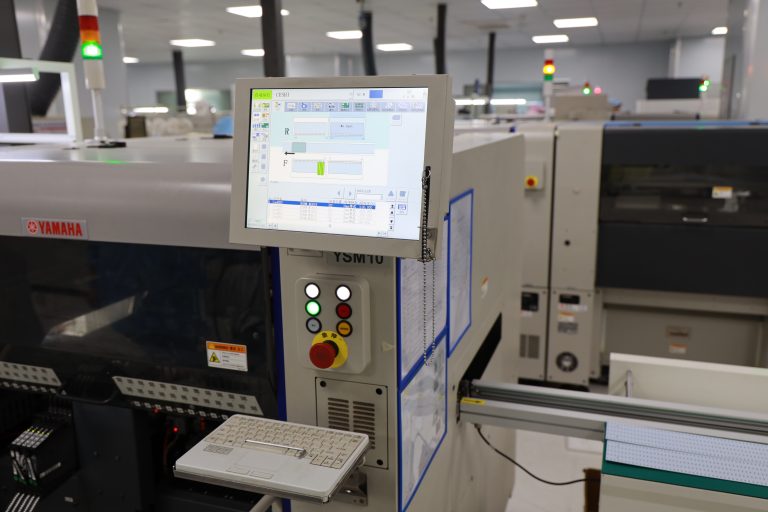
Implementing them requires modest shifts in architecture. Add sensor fusion, a simple microcontroller for edge decision-making, and logs that technicians can read. Edge computing nodes can run a quick self-check at startup and flag drift. It sounds complex, but the actual changes are incremental. The payoff is stable therapy, fewer callbacks, and happier staff. — I believe this is a pragmatic path forward.
What’s Next?
To wrap up, here are three practical evaluation metrics I recommend when choosing or auditing an infrared bed: 1) Thermal Uniformity Index — measure and accept systems within a small variance band; 2) Spectral Stability — verify spectral irradiance over time and load; 3) Service Traceability — check that the device exposes logs for power converters and drivers. Use these to compare vendors and to set expectations with clinicians.
I prefer clear numbers and repeatable tests. If you can get those three items from a vendor, you’re buying engineering, not just marketing. For validated systems and product data, consider looking at manufacturers who publish calibration protocols and warranty thermal maps — that tells you they meant what they built. For further reference and product examples, see Magique Power.