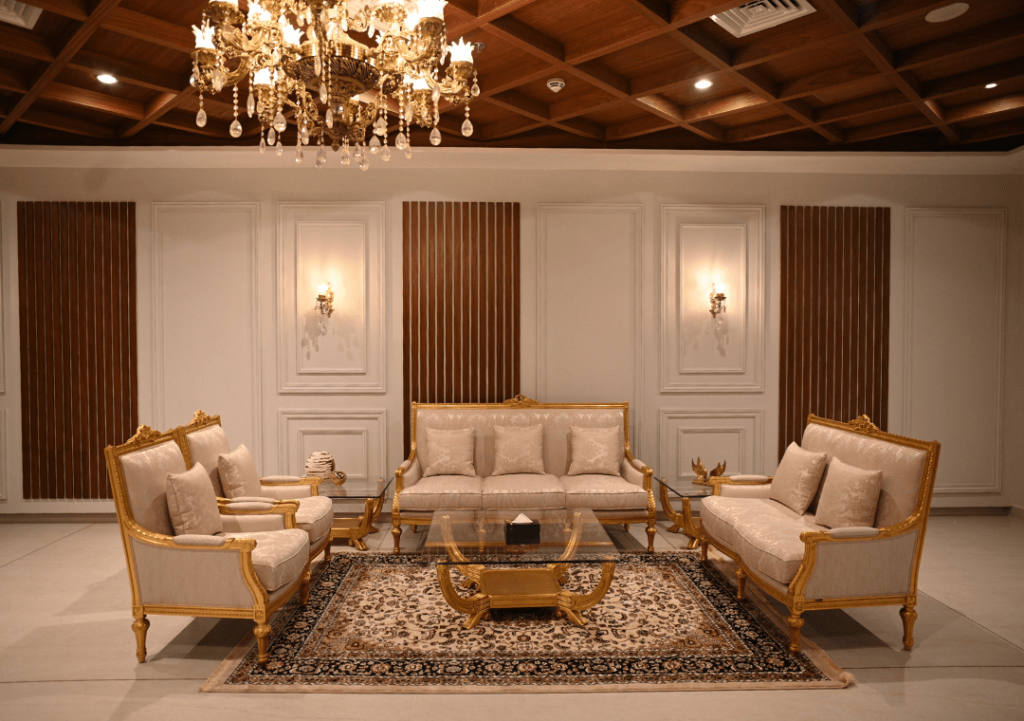
As we step into 2025, the world of interior design continues to evolve, and furniture is taking center stage in defining modern living spaces. This year brings, bedroom furniture san jose a harmonious blend of aesthetics, sustainability, and functionality, reflecting how people are reimagining their homes to support wellness, style, and versatility. Whether you’re planning a full home makeover or just looking to update a few key pieces, keeping up with the latest furniture trends can guide you toward choices that are not only current but also forward-thinking. Let’s explore the top furniture trends expected to shape homes in 2025.
One of the most prominent trends in 2025 is sustainable and eco-conscious furniture. Consumers are increasingly aware of the environmental impact of mass-produced furniture and are now seeking pieces made from reclaimed wood, recycled materials, or sustainably harvested resources. Manufacturers are responding by adopting greener practices, from using water-based finishes to minimizing waste in production. Furniture with certification like FSC (Forest Stewardship Council) or Greenguard is gaining popularity, signaling a shift toward responsible buying. This trend isn’t just about ethics—it’s about owning furniture that’s built to last and contributes positively to your health and the planet.
Another major trend is the rise of modular and multi-functional furniture. With urban living spaces becoming smaller and more flexible, furniture that serves more than one purpose is in high demand. Think modular sofas that can be rearranged, extendable dining tables, or beds with built-in storage. This kind of furniture not only saves space but also adapts to the changing needs of homeowners, whether it’s entertaining guests, working from home, or creating makeshift play areas for children. In 2025, efficiency and adaptability are driving design choices more than ever.
Soft curves and organic shapes are also making a strong comeback in 2025. Straight lines and sharp angles are being replaced with rounded edges, curved backrests, and flowing silhouettes. Inspired by nature, these pieces lend a sense of calm and comfort to interior spaces. Sofas with plush curves, oval coffee tables, and arched headboards are becoming favorites among designers. This organic trend not only enhances visual softness but also invites relaxation, which is ideal for today’s home environments that double as sanctuaries.
In terms of color, earthy tones and rich natural hues are dominating the furniture scene. Shades of terracotta, deep olive green, sand, and warm browns are being used to create grounded, serene atmospheres. These colors pair well with natural materials like wood, leather, and linen, offering a timeless appeal. Alongside these earthy palettes, deep jewel tones like sapphire blue and emerald green are being used as accent colors to add sophistication and boldness. The combination allows homeowners to create layers of warmth and luxury without overpowering their spaces.
Finally, tech-integrated furniture is set to become more mainstream in 2025. As smart homes become the norm, furniture is being designed with built-in technology that supports daily digital needs. From coffee tables with wireless charging pads to beds with sleep-monitoring features and sofas with USB ports, these smart solutions are merging comfort with convenience. This innovation caters especially to the growing number of people working or studying from home, offering seamless tech access without compromising aesthetics. The fusion of technology and furniture not only enhances functionality but also reflects the modern lifestyle’s reliance on connectivity.